The intersection of artificial intelligence and musical creativity has moved rapidly from the realm of science fiction to a standard fixture of the modern charts. We are no longer simply using software to polish a vocal or master a track; we are witnessing the rise of the “AI Artist”—entities whose persona, voice, and composition are driven by machine learning. This shift is challenging our traditional definitions of authorship and performance, sparking intense debates about the soul of music while simultaneously opening new frontiers for digital expression.
The evolution of AI in music has been defined by a few key figures and projects that have pushed the boundaries of what a “musician” can be. These entities range from fully autonomous virtual avatars to sophisticated vocal models that can replicate the nuances of human emotion. We’ve seen some creators make music videos using an AI video generator like Artlist, and this trend will continue to grow. Below is a list of some of the most notable AI artists so far in the music industry.
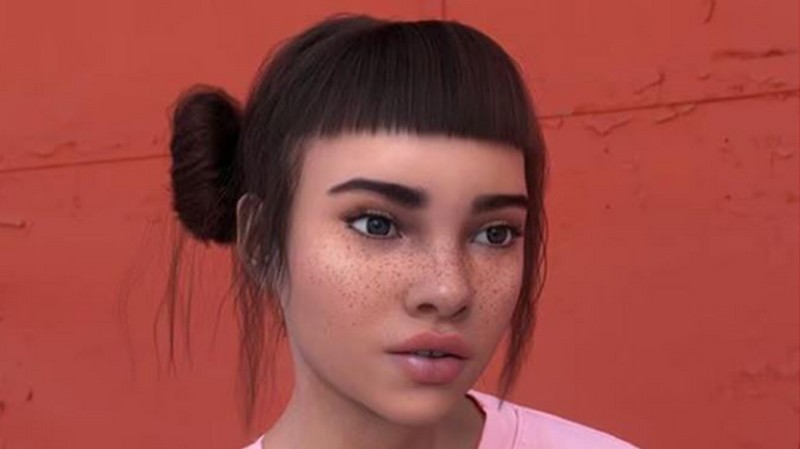
Miquela Sousa (Lil Miquela)
While she began as a social media influencer, Lil Miquela became one of the first high-profile examples of a virtual artist finding mainstream musical success. Though her songs involve human producers, her identity is entirely digital. She has released multiple singles that have garnered millions of streams on platforms like Spotify, proving that an audience can form a genuine emotional connection with a persona that does not exist in the physical world. Her success paved the way for the industry to accept “synthetic” celebrities as viable commercial products.
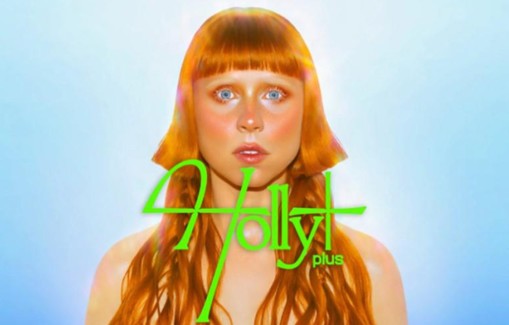
Holly+ by Holly Herndon
Holly Herndon, a pioneer in the avant-garde electronic scene, took a different approach by creating “Holly+.” This is an AI-generated version of her own voice, made available for others to use. By creating a digital twin of her vocal cords, Herndon allows creators to upload MIDI or audio files and have them “sung” back in her voice. This project is a landmark in the industry because it addresses the issue of “vocal ownership,” showing how an artist can use AI to scale their own creativity while maintaining a level of decentralised control.
FN Meka
FN Meka gained notoriety as the world’s first “AI-powered robot rapper.” The project claimed to use AI to analyse popular music trends and generate lyrics, melodies, and even the rhythmic flow of the vocals. While the project faced significant controversy regarding cultural appropriation and the “blackbox” nature of its creation, it served as a major case study for major labels. It demonstrated the industry’s appetite for low-overhead, high-output digital artists who can be updated in real time to match viral trends.
The “Ghostwriter” Phenomenon
The most disruptive moment in recent history was the emergence of the anonymous creator known as Ghostwriter. Using sophisticated AI vocal conversion, they released “Heart on My Sleeve,” a track featuring AI-generated vocals that perfectly mimicked Drake and The Weeknd’s voices. Unlike previous examples, this wasn’t a virtual avatar; it was a “deepfake” that sounded indistinguishable from global superstars. This event forced the music industry to grapple with the legal and ethical implications of voice cloning, leading to new discussions about “publicity rights” and intellectual property in the age of generative AI.
The Implications for the Creative Economy
The rise of AI artists does not just change how music sounds; it alters the business and ethics of the entire creative industry. The ripple effects of these digital entities are being felt across three primary areas:
The Democratisation of Production
AI has lowered the barrier to entry to an unprecedented degree. High-quality production tools, once reserved for those with expensive studio access, are now available to anyone with a laptop. This allows independent creators from underserved communities to produce professional-grade tracks, effectively decentralising the “gatekeeper” power traditionally held by major labels. However, this also leads to a “tsunami of content,” with tens of thousands of AI-generated tracks uploaded daily, making it increasingly difficult for human-only artists to stand out.
The Shift from Creation to Curation
As AI handles the “grunt work” of technical execution—such as mixing, mastering, and even generating initial melodies—the role of the human artist is shifting toward that of a director or curator. Success in the AI-driven industry is increasingly defined by the ability to manage ideas and provide the “soul” or authentic human experience that algorithms can mimic but not truly possess. We are entering an era where the most valuable skill may not be mastering an instrument, but mastering the prompts and tools that guide AI output.
Legal and Ethical Frontiers
The industry is currently in a “launch first, license later” phase, leading to massive litigation over training data. The debate centres on whether AI models can ethically use human-made music to learn styles without compensating the original creators. In 2026, we are seeing the emergence of new licensing models where artists can “rent” their digital likeness or voice, potentially creating a more lucrative and long-lasting revenue stream than traditional streaming.
Conclusion
Unlike the tech industry, where AI agents are highly proficient in coding, content writing, and other skills, AI artists in the music industry have yet to take off. However, this might only be a matter of time before the debate over AI taking over the industry shows up in the headlines. As these digital entities become more sophisticated, the industry must find a balance between embracing innovation and protecting the human artists whose work underpins this digital revolution.