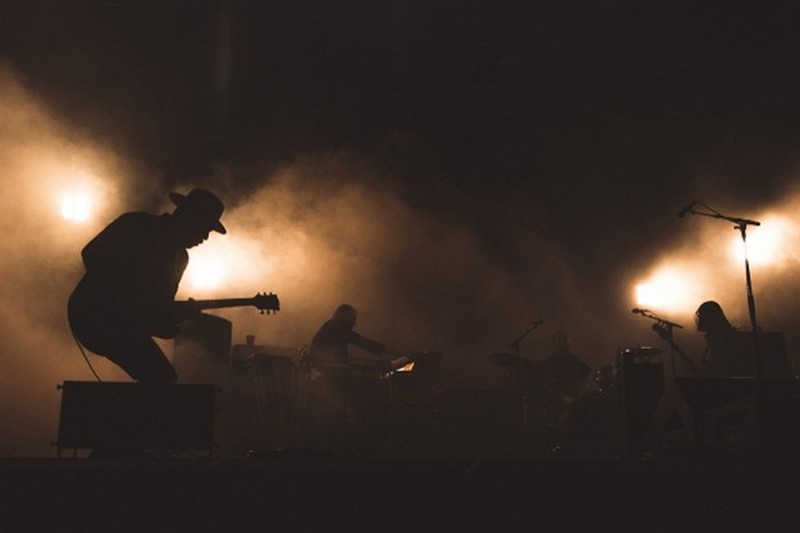
Confidence is the visible part of performing. It shows up in a steady voice, a clean entrance, a calm face under hot lights. But the work that makes confidence possible is mostly invisible. It lives in warm-ups, routines, notes, mistakes, resets, and quiet decisions we make before anyone is watching.
We do not need to feel confident all the time. We need to be ready, present, and able to recover quickly when confidence dips.
Confidence Is a Feeling, Craft Is a System
Confidence rises and falls. Craft can be trained and repeated. That matters because we do not get to “wait until we feel ready.” Call time happens. Cues come. The camera rolls.
What keeps us steady is a system:
- A repeatable warm-up that settles the body
- A clear way to learn lines, blocking, and beats
- Simple tools to calm nerves without killing energy
- A method for using feedback without spiralling
When we treat confidence as a byproduct of systems, we stop chasing it. We build it.
The Three-Layer Confidence Problem Performers Actually Face
Most confidence struggles are not one thing. They stack.
Skill uncertainty
This is the “I’m not ready” feeling from gaps in technique or preparation. It improves with training, coaching, and reps.
Nervous system overload
This is performance anxiety: racing heart, tight jaw, shaky breath, blank mind. It improves with regulated habits and exposure over time.
Identity pressure
This is the deeper “What if I’m not good enough” story. It gets louder with rejection and comparison. It improves with perspective, support, and boundaries.
When we identify the layer, we pick the right fix faster.
Behind-the-Scenes Rituals That Stabilize Confidence
Rituals are anchors. They tell the body, “We’ve done this before.”
We keep them simple:
- Arrive early enough to breathe
- Warm the voice and body the same way each time
- Check practicals early: wardrobe, props, mic pack, water
- Do one objective check: what do we want in this beat
- Take a grounding reset: slow exhale, drop shoulders, unclench jaw
Confidence improves when we stop making it emotional and start making it procedural.
Voice and Body Control That Read as Confidence
A lot of what people call confidence is just control under pressure.
Voice work we rely on
Breath support, clarity, projection without pushing, and control of pace. If our breath stays steady, our mind usually follows.
Physical control we train
Stillness, economy of movement, and groundedness. Fidgeting, shallow breathing, and rushed blocking read as panic. A body that feels organised reads as confident, even when we are nervous.
Listening Is the Fastest Way Out of Self-Doubt
Confidence problems often stem from self-focus: How do we look? Do we sound good? Are we convincing?
The quickest exit is listening.
When we genuinely listen to a scene partner, the brain shifts from self-evaluation to real-time response. Presence replaces monitoring. Presence is what audiences read as authenticity.
Real Performers on Confidence Challenges Behind The Scenes
Many well-known artists have spoken publicly about the behind-the-scenes nerves, self-doubt, and pressure that can accompany performing. Here are a few examples, shared in their own words, along with the strategies they used to get through them.
Katy Perry
Source: BBC Radio interview quoted in Irish Examiner (Nov 2010).
Perry has said she still feels nervous performing in front of crowds, even when she’s prepared. That kind of ‘ready-but-nervous’ feeling is common—many performers treat it as a bodily response to manage breathing, routines, and steady cues.
Lady Gaga
Source: Vanity Fair (Feb 2025).
Gaga has said she still feels nervous about performing because she cares about doing it well. She often frames nerves as a sign of meaning—then channels them into preparation and presence on stage.
Shawn Mendes
Source: Teen Vogue (Apr 2022) and CBS News / People (Jul 2022).
Mendes has openly written about anxiety, fear of failure, and feeling “overwhelmed,” and he has also paused touring to prioritise mental health. His approach emphasises slowing down, getting support, and being honest about limits rather than forcing performance at all costs.
Adele
Source: Vogue (Oct 2011) and Rolling Stone (Apr 2011).
In interviews about touring, Adele has described intense stage fright and physical nerves before going on stage, then pushing through once the show begins. Coping tools she’s mentioned include grounding in the moment, focusing on the song, and trusting rehearsal.
These experiences also highlight something important: confidence isn’t only mental. For some performers, physical symptoms can hijack their focus, especially under the lights, in costumes, or in close-ups. That’s where medical support can be part of the broader toolkit.
When Your Body Betrays Your Confidence: The Anxiety Sweat Cycle
Performance anxiety can make us sweat. That is normal. The problem is when sweating stops being a side effect and starts becoming the main event.
Excessive sweating can be more than just annoying. For some people, it is a condition called hyperhidrosis. It is often cited as affecting about 5% of the population, meaning many are dealing with it quietly while trying to appear effortless.
What makes it disruptive is not just the moisture. It is the way sweating can trigger its own mental spiral and steal attention right when we need focus most.
The feedback loop that turns nerves into a self-perpetuating cycle
Stage 1: We feel nervous about the performance
Audition. Opening night. A close-up. A solo. The body reads it as pressure.
Stage 2: Nervousness triggers sweating
Adrenaline rises and sweat kicks in. With hyperhidrosis, it can ramp fast and overshoot what most people experience.
Stage 3: We notice the sweating, and it creates new anxiety
We start scanning. Are there stains? Is it dripping? Can people see it? That awareness becomes a new source of stress, separate from the performance.
Stage 4: The added anxiety increases sweating further
Now we are anxious about being anxious. Sweat increases, attention narrows, and the cycle feeds itself.
What this looks like in real performing situations
- Sweat-soaked costumes are becoming visible under the stage lights
- Clammy hands affecting instrument grip or microphone handling
- Makeup running during close-ups, creating extra self-monitoring
- Worry about post-show meet-and-greets and handshakes with fans
This is not just physical discomfort. It is a mental distraction. Instead of listening, we are scanning. Instead of playing the beat, we are managing the body. That split attention is where confidence collapses.
This is why performers have to manage both the physical symptoms and the psychological spiral. Breaking the cycle requires a two-part approach.
Handling Critique Without Letting It Take Over
Notes are part of the job. Confidence takes a hit when we treat critique like a verdict.
We keep it clean:
- The note is data, not identity
- The performance is a version, not our worth
- The role is a match, not a measure of value
A practical method: write the note down, ask what it is trying to solve (pace, clarity, stakes), try two adjustments fast, keep what works, drop what doesn’t.
Rejection Is Constant, So We Build Recovery Habits
If we tie confidence to booking, confidence will crash regularly. Even strong work can be a “no” for timing, chemistry, budget, or type.
We build steadiness with controllables:
- Track reps and training, not outcomes
- Use a post-audition reset: submit, log it, release it
- Limit comparison triggers when confidence is fragile
- Celebrate process wins: a cleaner take, a sharper choice, a stronger callback
The Confidence Toolkit We Return To Under Pressure
When confidence dips, we do not negotiate with panic. We return to basics:
- Breath: longer exhale, slower pace
- Body: ground through the feet, release jaw and shoulders
- Objective: what do we want right now in this beat
- Listening: pay attention to the other person or the room
- Recovery: one small reset that stops the spiral
Confidence is not the foundation. Confidence is what people see when the foundation is solid. We build that foundation through habits, craft, and repeatable systems, long before the lights come up.