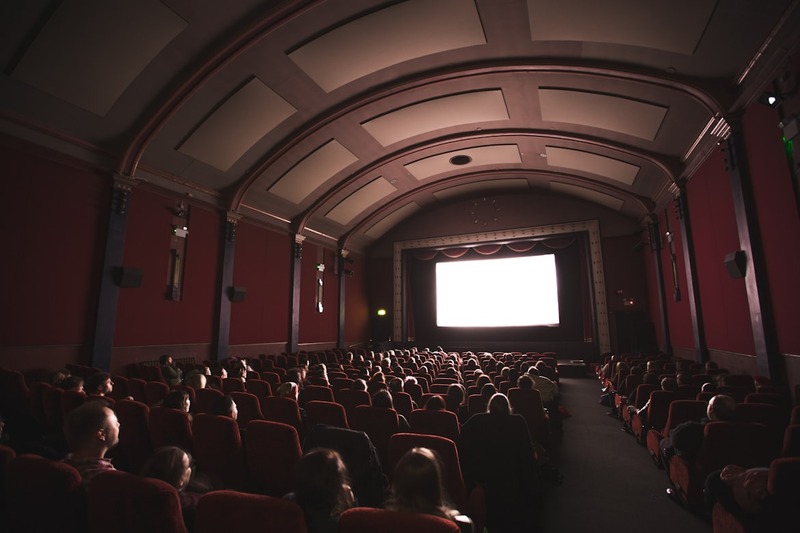
How often do you go to the theaters these days? If anything, perhaps not as much as a decade ago. Well, a recent study found that the percentage of adults attending the cinema at least once a month has dropped from 39% in 2019 to 17% in 2025.
More viewers are opting for flexible engagement beyond the big screen. In that sense, what happens on the big screen seldom stays there. However, there’s something deeper at play. For many viewers, what started as a quick trailer sparks enough curiosity for a complete watch.
From there, the obsession carries forward to online discussions and personal research. Yes, the big screen is notorious for spilling into real life. This article will discuss how movies on big screens encourage exploration through the surprising power of storytelling.
Films That Serve More Than Cinematic Enjoyment
The concept of films may have started with the thought of entertaining the audience. Even today, most films are great at that. It’s just that the avenue has become much wider.
In other words, some films spark curiosity and dialogue that extend beyond the theater. One minute you’re glued to the screen, watching an intriguing story unfold. The very next moment, you’re binging on historical accounts and wondering how Interstellar physics works.
Turns out, the cinematic experience is all the rage, even now. As per a Statista survey, 70% of cinema-goers worldwide say watching movies on a premium large screen is very valuable. So, the craving is still strong for big popcorn and even bigger screens.
Take a look at some examples of films that do more than just tell a story:
- Hidden Figures: This movie shines a light on the brilliant women mathematicians at NASA. Audiences are nudged to dive into the history of civil rights.
- 12 Years a Slave: History becomes painfully personal in this one, inspiring viewers to explore first-hand accounts and realities of slavery.
- Dark Waters: This film dramatizes a lawyer’s fight against corporate pollution. Curious minds may feel encouraged to learn more about environmental contamination.
- Arrival: Within an emotionally charged narrative, this movie combines linguistics, time, and aliens. Viewers may ponder the power of language in shaping thoughts.
- All the President’s Men: With this movie, viewers often find themselves in the newsroom, learning about political scandals and investigative storytelling.
- Interstellar: This movie is the perfect blend of astrophysics and family drama, sending viewers down the rabbit hole of relativity.
- Spotlight: In this film, you can discover the meticulous work of journalists as it explores institutional accountability.
The fun part? You won’t even realize how these movies can turn you into a mini-detective, a history buff, or a science nerd. For most viewers, it’s easier to remember dialogues from their favorite movies rather than lengthy lectures. No wonder the big screen finds a spot in every heart it touches, with its stories renewing minds.
Storytelling Has the Kind of Power Lectures Only Wish They Had
There’s something special about a story that lectures can’t compete with. A news article is pretty straightforward, outlining the consequences. A PowerPoint slide lists all the facts clearly. Still, a well-directed film can stir emotions the audience never knew existed.
Instead of feeling lectured, viewers feel invited to contemplate. We all have experienced something like this. Before we know, certain films get us thinking, connecting the dots, and asking questions that matter.
Take environmental films as an example. A traditional article might describe something like chemical contamination in dry terms. However, a movie like Dark Waters can make it feel like a personal problem.
Audiences watch a lawyer navigate corporate barriers, empathize with affected families, and witness the stakes firsthand. Curious viewers may dig deeper into the story’s real-world implications. That’s how many encounter things like the PFAS lawsuit along the way.
They gradually understand how toxic chemicals like per- and polyfluoroalkyl substances are found in even everyday products. This sounds alarming in light of the human toll behind the headlines. As TorHoerman Law shares, PFAS are linked to liver damage, thyroid disease, and in some cases, cancer.
Such implications turn from abstract facts to human experience when the injuries are framed within a film’s compelling narrative. The same goes for historical dramas like Hidden Figures. Besides exploring the achievements of women mathematicians at NASA, this film prompts audiences to understand racial and gender biases.
The pattern is easily explainable. People don’t find themselves invested in lectures. Give them characters and events in the form of a movie, and they will enjoy both the entertainment and the learning.
Modern Fandom Only Amplifies the Effect
Unlike the time when films had just made their big debut, today, there are plenty of avenues to keep the curiosity alive. Yes, modern fandom keeps the spark alive, even amplifying it. Social media, forums, and streaming platforms have turned viewers into amateur detectives.
It’s not uncommon to find cinema-goers dissecting a movie’s scene or debating dialogue. Sometimes, all that is needed is a single TikTok snippet or Instagram reel to start a conversation that can go on for months.
What’s more is that streaming platforms only make all of this worse, in the best way. In fact, about three-quarters of US adults said they watched a newly released movie via streaming instead of the theater. Now, the more a film is watched on repeat, the more viewers get opportunities to read between the lines.
It’s only a matter of time before small details begin to feel like secret codes waiting to be cracked. If you are familiar with how the various social platforms work, you must have noticed that even a quick background shot is not exempt from viewer scrutiny. With the power of likes and shares, one fan’s observation no longer remains a personal opinion. It can carve out a full-blown debate.
Some audiences try to understand why a character’s outfit change mattered, whereas others reflect on the real-world implications of the sub-plot. That’s precisely how the phenomenon of visual essays and fan theories came into existence. In that sense, almost every film can become an open-ended story, each allowing its audience to interpret it through their own lens.
If we are what we eat, then we also become what we behold. Movies don’t just entertain, at least not anymore. Think about this: around one in four individuals says that their fandom is an important part of their identity. It’s indeed true that many people identify themselves with their favorite movies and franchises.
Finally, what the theater brings to the limelight, social/streaming platforms keep alive. In light of all this, how can ‘what happens on the big screen stay on the big screen?’ It cannot, and the good news is, it’s not meant to!