Photo By Eduardo Gorghetto
How Small Tools Shape Big Movie Moments
Filmmaking often looks like a mountain of expensive gear. Massive cameras, elaborate rigs, and lighting setups can stretch across entire soundstages. But when you watch the scenes that stay with you, the emotional core rarely comes from the equipment. It comes from choices. Where the camera sits, how the light falls, and how the actor connects to the moment all matter more.
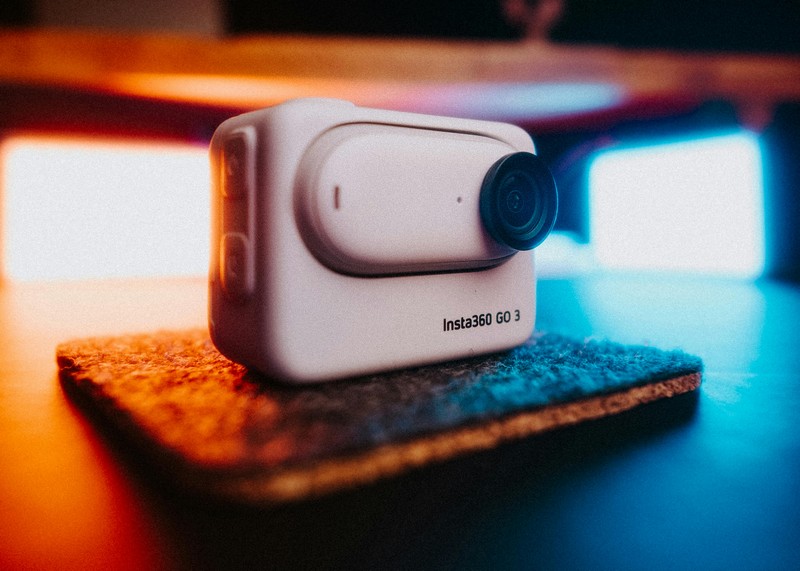
Some of the most powerful moments in film and television were created with surprisingly minimal setups. For creators working on smaller productions or learning the craft, this is a freeing idea. You do not need a truck full of gear to create something compelling. You need intention. Even today, creators can capture high-quality footage using accessible tools like compact cameras, which make it easier to stay mobile and focus on storytelling instead of logistics.
Why Less Gear Can Strengthen Storytelling
When filmmakers limit their tools, they are forced to prioritize performance and storytelling over spectacle. This constraint often leads to more intimate and authentic scenes.
Take Before Sunrise (1995), directed by Richard Linklater. Much of the film follows two characters, played by Ethan Hawke and Julie Delpy, walking and talking through Vienna. The setups are simple, using natural light, minimal crew, and handheld or lightly stabilized shots. The emotional impact is strong. The lack of intrusive equipment allows the actors to exist naturally in the space, making the audience feel like a quiet observer.
Similarly, The Office (U.S.) uses a documentary style approach with minimal lighting and handheld cameras. The simplicity of the setup helps actors like Steve Carell deliver awkward, grounded performances that feel unscripted. The camera becomes part of the environment instead of dominating it.
Smaller setups also make actors more comfortable. In Nomadland (2020), Frances McDormand worked in real environments with lightweight gear. She blends into real communities, creating a performance that feels almost documentary in its realism.
Prioritizing Light and Sound Over Camera Specs
It is easy to obsess over camera specs such as resolution, frame rates, and dynamic range. Audiences rarely notice these details directly. What they do notice is whether they can clearly see and hear what is happening.
A great example is Moonlight (2016). Many of its most memorable scenes rely on simple lighting setups like soft natural light or practical sources such as streetlights. The beach scene between Chiron and Kevin is visually understated, yet the lighting and sound create an intimate and emotional atmosphere.
Sound is often underestimated. A Quiet Place (2018) builds tension almost entirely through sound and silence. Every footstep, breath, and ambient noise becomes part of the storytelling.
For creators working with limited gear, a lavalier mic or a small shotgun mic can dramatically improve production quality. Clean dialogue elevates a scene more than upgrading a camera in most cases. If you are exploring ways to improve production quality without increasing your budget, resources like this guide to low budget filmmaking offer practical insight into prioritizing sound and lighting effectively.
Composition Tricks That Work With Minimal Gear
You do not need a full lens kit or complex rigs to create strong visuals. Composition is about how you use space.
Look at Joker (2019), especially the staircase dance scene with Joaquin Phoenix. The moment feels cinematic, but the setup is simple. It relies on location, framing, and controlled movement. The camera follows Arthur Fleck in a way that reflects his transformation.
Another example is Breaking Bad. The show frequently uses creative framing. It shoots through objects, places characters at the edge of the frame, and uses low angles to create tension.
Depth is another useful tool. In The Social Network (2010), scenes often include foreground elements like glasses or table edges that guide the viewer’s focus.
Handheld movement can add energy. In Children of Men (2006), long takes and immersive camera work place the viewer directly inside chaotic environments. This approach can be recreated with minimal tools when used thoughtfully. For a deeper breakdown of how these techniques fit into the broader craft, StudioBinder’s overview of what cinematography really involves highlights how framing and movement shape storytelling.
Editing Choices That Rescue and Refine Footage
Editing is where simple footage becomes cinematic. With limited shots, pacing and sound design become key tools.
Whiplash (2014) builds intensity through editing. Quick cuts between instruments, faces, and movement create rhythm that matches the music.
On the other hand, Lost in Translation (2003) uses long takes to build intimacy. Scenes are allowed to breathe, letting subtle performances carry emotion.
Sound bridges are another powerful technique. In The Godfather (1972), the baptism scene cuts between a religious ceremony and violent acts, tied together through audio.
Color grading also plays a role. Even subtle grading, like the warm tones in Call Me by Your Name (2017), can unify a project and create mood.
Working With Performers and Locations
Strong performances come from trust and comfort, not technical complexity. Minimal setups give actors room to explore scenes naturally.
In Marriage Story (2019), the argument scene between Adam Driver and Scarlett Johansson is shot simply. The focus stays on performance, which makes the moment more powerful.
Locations can carry storytelling weight. In Parasite (2019), the house itself shapes the narrative through levels, framing, and space.
For smaller productions, the right location can remove the need for heavy design. Clerks (1994), filmed in a convenience store, shows how a simple setting can anchor a story.
Encouraging improvisation is another benefit. In Good Will Hunting (1997), Robin Williams’ bench monologue feels personal and natural, supported by a simple setup.
Maintaining Production Value on a Budget
Looking professional is about consistency and detail, not budget.
Continuity matters. Consistent lighting, props, and performance help maintain immersion.
Small details also make a difference. In Lady Bird (2017), wardrobe and set design support character identity and time period.
Organization is key. Tracking shots, audio, and continuity ensures a smoother editing process and a stronger final result.
Conclusion
Filmmaking is not defined by equipment. The most memorable moments, whether in Before Sunrise, A Quiet Place, or Marriage Story, come from intentional choices.
Working with less gear sharpens those choices. It pushes filmmakers to focus on performance, light, sound, and composition. These are the elements that shape how audiences experience a story.
In the end, viewers do not remember the camera. They remember how a scene made them feel.